Fox Pirate Font: A Playful Display Typeface for Editorial Design
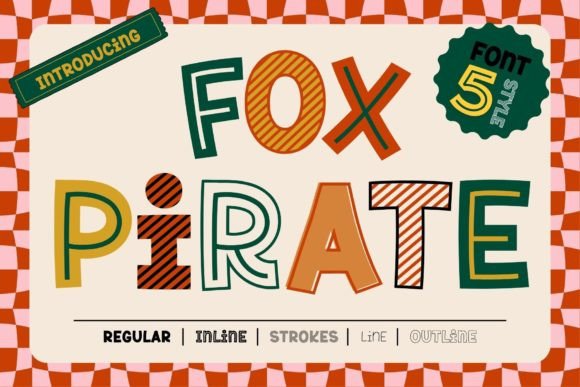
As a publisher and editorial designer, I have long understood that the right typeface can transform a layout from ordinary to memorable. Fox Pirate is a 5 style font that cool cute and playful display font that adds a captivating and energetic touch to your designs. This display font brings a distinct personality to everything from magazine covers to blog headers, making it a valuable asset for anyone who creates content that needs to stop readers mid-scroll. Its lively, approachable character works well across print and digital publications, and I have found it especially useful for projects where a touch of whimsy is needed without sacrificing professionalism.
Fox Pirate for Magazine Covers and Blog Headers
When I design a magazine cover or a blog header, the title needs to command attention immediately. Fox Pirate delivers that impact with its playful yet refined letterforms. The font's energetic curves and confident strokes make it an excellent choice for feature headlines, especially in lifestyle, travel, or creative publications. I have used it to frame the visual identity of a quarterly digital magazine, and the response from readers was overwhelmingly positive. The font's five styles give me flexibility to create layered headings, where a bold style anchors the main title and a lighter style supports a subtitle. For blog headers, Fox Pirate adds a sense of fun that invites readers to explore the content further. It is a premium font that feels exclusive without being inaccessible, which is exactly what independent publishers need to build a loyal audience.
Using Fox Pirate in Ebook Titles and Chapter Openers
Ebook design presents unique challenges because readability on screens must be balanced with visual appeal. I have found Fox Pirate to be a reliable choice for chapter openers and part titles. Its playful nature works beautifully for fiction, children's books, and creative nonfiction, where the typography can set the mood before the reader even begins the text. In a recent recipe ebook project, I used Fox Pirate for the title of each chapter, such as "Summer Salads" and "Comfort Bowls." The font's cheerful personality made the ebook feel like a friendly guide rather than a dry manual. For nonfiction ebooks, I recommend using Fox Pirate sparingly for section headings and pull quotes, while pairing it with a clean sans serif font for body copy. This approach maintains hierarchy and ensures that the display font remains a highlight rather than a distraction. The five styles also allow for subtle variations between chapters, which adds a layer of sophistication to the overall design.
Fox Pirate for Quote Graphics and Pull Quotes in Publications
Pull quotes are one of the most effective ways to break up long text and engage readers. In my editorial work, I use Fox Pirate to create quote graphics that feel both modern and inviting. The font's playful character adds personality to testimonial sections, highlighted insights, and reader quotes. I recently designed a series of quote cards for a wellness newsletter, and Fox Pirate gave each card a handcrafted feel that resonated with the audience. For printed publications, the font holds up well at larger sizes, making it ideal for quote pullouts that need to be legible from a distance. I also appreciate that Fox Pirate works in both full-color and monochrome layouts, so it adapts seamlessly to different printing constraints. When creating social media graphics to promote a publication, I use the same display font to maintain consistency across platforms. This type of visual cohesion builds trust with readers and reinforces the brand identity of the publication.
How Fox Pirate Supports Visual Hierarchy in Editorial Layouts
Visual hierarchy is the backbone of effective editorial design. Without it, readers cannot scan an article or know where to focus their attention. Fox Pirate helps me establish a clear hierarchy because its playful style naturally draws the eye to key elements. I use it for primary headlines, secondary headings, and accent typography, while reserving more neutral serif font or sans serif font options for body text. The five styles within the Fox Pirate family allow me to differentiate between levels of information without introducing a second font. For example, in a digital guide about sustainable living, I used the boldest style for the main title, a medium style for section headings, and a lighter style for callout boxes. This created a cohesive visual language that guided readers through the content naturally. The font's playful energy also helps reduce the formality of dense information, making complex topics feel more approachable. For editorial designers who work with newsletters or lead magnets, this is a significant advantage.
Pairing Fox Pirate with Readable Serif and Sans Serif Fonts
No display font works in isolation, and Fox Pirate is no exception. In my own projects, I pair it with a classic serif font for long-form reading, such as in magazine articles or ebook chapters. The contrast between the playful display headings and the structured serif body creates a rhythm that keeps readers engaged. For digital publications, I often choose a sans serif font for captions, bylines, and navigation elements, as it complements the clean lines of Fox Pirate without competing for attention. One of my favorite pairings is Fox Pirate with a neutral sans serif font for a modern, clean layout. This combination works well for lifestyle blogs, travel guides, and creative portfolios. I also recommend testing the pairing at different sizes and on various devices to ensure readability. When I design a brand identity for a publication, I choose Fox Pirate as the accent typeface and build the rest of the typographic system around its personality. This approach gives the publication a distinctive voice while maintaining functional readability.
Fox Pirate for Printable Guides, Lead Magnets, and Worksheets
Printable content remains a powerful tool for audience engagement. I have used Fox Pirate extensively in lead magnets, including planning worksheets, checklists, and guided journals. The font's playful energy makes these resources feel inviting and user-friendly, which encourages readers to print and use them. In a recent project for a wedding planning guide, I used Fox Pirate for the title and section headers, and paired it with a clean sans serif font for the instructions. The result was a printable that felt both professional and personal. For newsletter subscribers, I often include a free printable template that uses Fox Pirate for the headline, creating a consistent brand experience across digital and physical formats. The font's legibility at different sizes is a key consideration here. I always test how the font appears in PDF exports and on mobile screens, and Fox Pirate holds up well in both contexts. Whether the printable is a simple to-do list or a multi-page workbook, the font's five styles provide enough variety to keep the design interesting without overwhelming the reader.
Commercial Licensing for Fox Pirate in Publications and Digital Products
Understanding licensing is essential for any publisher or content creator. Fox Pirate is a commercial font that supports a wide range of professional uses, including ebooks, templates, printables, paid newsletters, client publications, and digital downloads. When I work with independent authors or small businesses, I always check the licensing terms to ensure that the font can be used in the specific context. For example, if you are creating a lead magnet for a client's blog, or a printable planner that will be sold as a digital product, you need a license that covers commercial distribution. Fox Pirate offers flexibility for these scenarios, which is why I recommend it to fellow editorial designers. In my own shop, I sell digital planners and templates that use Fox Pirate for headings, and the licensing has been straightforward. Always verify the specific terms for your project, especially if you are bundling the font into a product or using it in a client's brand identity. Proper licensing protects both you and the font creator, and it ensures that your publications remain professional and compliant.
For editorial designers, bloggers, and content creators, Fox Pirate is a display font that balances playfulness with practicality. Its five styles give you the flexibility to build a cohesive visual system across magazines, ebooks, newsletters, and printable resources. Whether you are designing a magazine cover, a chapter opener, or a quote graphic, this font brings a captivating energy that resonates with readers. By pairing it with a readable serif font or sans serif font, you can create layouts that are both attractive and functional. If you are looking for a creative font that supports editorial storytelling and reader engagement, Fox Pirate deserves a place in your typographic toolkit.