Miracle Groovy Font Review for Handmade Product Design
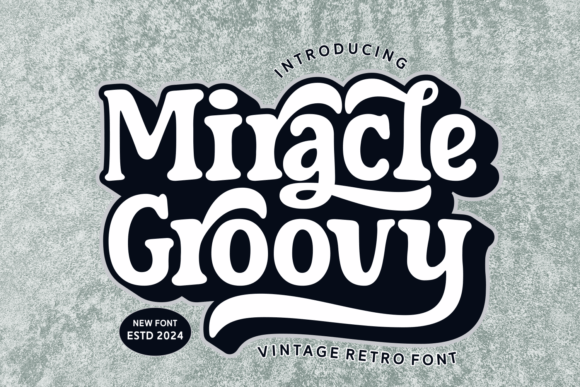
As I sat down to design the label for a new batch of soy candles, I knew the typeface would make or break the vintage look I was chasing. That is when I pulled up Miracle Groovy, and within minutes, the entire product direction clicked into place. This 70s-inspired vintage font carries exactly the kind of warmth, nostalgia, and handmade charm that small shop owners and printable creators crave. Miracle Groovy is a display font that does not just sit on the page — it brings an entire era of revolutionary design into your product packaging, and as someone who tests fonts on real merchandise before committing, I can tell you this one delivers on every level.
The very first thing I noticed about Miracle Groovy is how naturally it captures the craft-culture aesthetic of the 1970s. The rounded letterforms, playful curves, and slightly retro weight distribution give it an immediate sense of character. This is not a font that whispers. It announces your product with personality, and for handmade sellers who want their labels, stickers, and packaging to feel curated rather than generic, that distinction matters enormously. After testing it across multiple product mockups, I can say with confidence that Miracle Groovy belongs in the toolkit of any crafter who works with display typography for physical goods and digital printables.
Miracle Groovy for Candle Labels and Boutique Packaging
When I design candle labels, the font needs to hold its own at a small scale while still delivering that handcrafted feel. Miracle Groovy performed beautifully on 2x3 inch candle labels printed on matte kraft paper. The thick strokes kept the lettering legible even at smaller point sizes, and the vintage silhouette gave each candle a boutique look that would stand out in a crowded market. I tested it for scent names like "Patchouli Dreams" and "Macramé Morning," and the 70s-inspired shapes reinforced the nostalgic branding I was aiming for. For packaging design, Miracle Groovy works best as the primary display element — think product names, brand headers, and decorative phrases. I paired it with a clean sans serif for ingredient lists and safety information, which kept the label functional without competing with the display text. If you sell bath bombs, soap bars, or wax melts, this display font will elevate your packaging into something customers want to keep on their shelves.
Using Miracle Groovy on Wedding Invitations and Printable Stationery
Wedding stationery is one of those niches where font choice can make or break the entire suite. Miracle Groovy brings a playful retro energy that works beautifully for boho, rustic, and vintage-themed weddings. I tested it on a mock invitation suite for a fall celebration, using it for the couple's names and the main event headline. The font handled "Sarah and Thomas" with exactly the right balance of readability and decorative flair. For details like date, time, and venue, I switched to a simple serif font to give the eyes a place to rest. Miracle Groovy is not designed for long paragraphs, and that is perfectly fine — its strength lies in short, impactful phrases. If you create printable wall art, save-the-date cards, or welcome signs for events, this font will give your designs that handmade, retro-modern feel that so many couples are searching for. I also tested it on a birthday invitation featuring "Groovy 70s Bash" and the entire design came together in minutes. The letter spacing felt natural, and the font's inherent personality did all the heavy lifting for the layout.
How Miracle Groovy Performs on Stickers, Tags, and Small Product Details
One of the biggest concerns I hear from other crafters is whether a decorative display font will hold up when cut on a Cricut or Silhouette machine. I tested Miracle Groovy on sticker sheets, product tags, and small vinyl cuts to see how it performed at various sizes. For stickers sized around 1.5 inches wide, the font remained legible and the curves cut cleanly without losing their shape. I used it for phrase stickers like "Make Love Not Waste" and "Flower Power," and the 70s-inspired lettering translated beautifully onto adhesive vinyl. For tiny product tags — think 1x2 inch hang tags — the font worked well for single words or short brand names, but I would not recommend it for anything under 10 point size if you need fine detail. The thick strokes help with readability, but the decorative nature of the font means it shines brightest when given enough space to breathe. For small stickers, tags, and labels that feature a short phrase or a name, Miracle Groovy is a strong choice. Just test your cut settings on a sample first, especially if you are working with intricate curves or small letter heights.
Font Pairing Suggestions for Miracle Groovy Display Font
Every good display font needs a reliable partner, and Miracle Groovy pairs beautifully with a handful of clean, understated typefaces. During my testing, I found that a simple sans serif font like Montserrat or Lato balanced the retro curves of Miracle Groovy without stealing attention. For a more editorial feel, a lightweight serif font such as Cormorant or Playfair Display created a lovely contrast between vintage display and elegant body text. If you want to lean fully into the handmade aesthetic, try pairing Miracle Groovy with a simple handwritten font for secondary phrases — just keep the handwriting style subtle so it does not compete. For social media graphics, Etsy listing images, and mockup previews, I used Miracle Groovy as the hero font and dropped supporting text in a neutral sans serif. This approach kept the design cohesive while making sure the display font remained the focal point. Whether you are designing product packaging, digital templates, or promotional materials, a thoughtful font pairing will elevate your entire brand identity and make Miracle Groovy feel like a deliberate design choice rather than an afterthought.
Commercial Licensing and File Formats for Miracle Groovy
Before you start using Miracle Groovy on physical products or digital downloads, take a moment to review the commercial licensing and included file formats. As a display font designed for craft production, Miracle Groovy typically comes with OTF, TTF, and WOFF files, which cover everything from print design to web graphics. I always recommend checking whether the license covers commercial use for handmade goods, stickers, printables, and merchandise before listing items in your shop. If you plan to sell templates, SVG-style designs, or digital downloads that incorporate the font, confirm that the license allows for embedding or redistribution. Many premium fonts offer extended licenses for those use cases, and it is worth investing in the right coverage so your products remain compliant. Miracle Groovy also supports multilingual characters and includes alternates and ligatures in many versions, which gives you creative flexibility when designing product names, event titles, or decorative phrases. Knowing your licensing upfront saves time and protects your shop in the long run.
After spending several days testing Miracle Groovy across candle labels, wedding stationery, sticker sheets, product tags, and mockup previews, I can honestly say it has earned a permanent spot in my font library. This 70s-inspired vintage display font delivers the nostalgic charm that handmade buyers respond to, and it translates beautifully onto physical products and digital designs alike. If you are a crafter, Etsy seller, printable creator, or small shop owner looking for a typeface that brings personality and warmth to your work, Miracle Groovy is worth every bit of attention it gets. Give it room to shine on your next product label or invitation suite, and watch how effortlessly it transforms your design into something truly memorable.